Gaming Skull Gamer Illustration: A Practical Guide for Creators and Brands
In modern digital design, the right visual asset can define a brand’s identity. The Gaming Skull Gamer Illustration offers a distinct, pop-art inspired vector graphic that works across merchandise, apparel, and esports branding. This guide explores how to integrate this asset into real-world creative projects, from initial planning through final production.
Understanding the Asset and Its Place in a Design Workflow
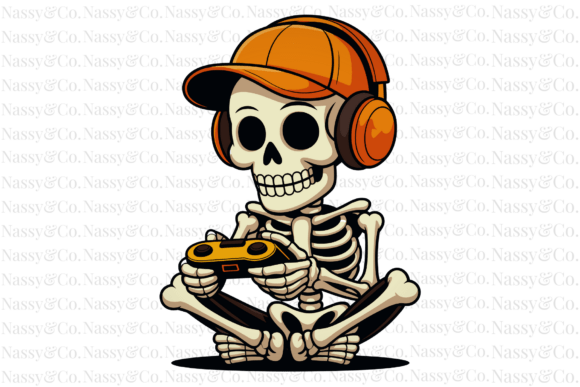
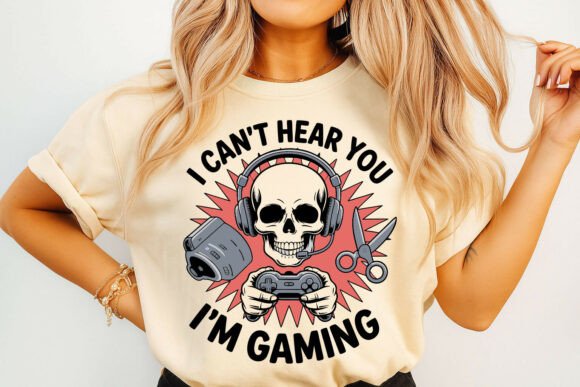
The Gaming Skull Gamer Illustration is more than a decorative image. It is a production-ready vector file designed for versatility. Rendered in a bold pop art style with red and grey accents, the character features a skull wearing a headset and gripping a controller. The transparent background ensures it can be layered into compositions without additional masking work.
For designers, marketers, and small business owners, this asset fits into the asset acquisition and preparation phase of any project. Rather than creating a custom skull character from scratch, you gain a pre-built, editable vector that can be resized, recolored, or combined with other elements. This reduces production time and allows you to focus on layout, typography, and overall brand consistency.
The included file formats—SVG, EPS, AI, and PNG (300 DPI)—mean the illustration is compatible with nearly every design tool used in professional workflows, from Adobe Illustrator to Affinity Designer, and even web-based platforms like Canva or Figma.
Before the Project: Planning and Asset Preparation
Effective use of any design resource begins before you open your software. Consider how the Gaming Skull Gamer Illustration will serve your specific use case. Ask yourself these planning questions:
- What is the final medium? Apparel, stickers, digital avatars, or social media graphics each have different resolution and format requirements. The PNG version at 300 DPI is ideal for print, while the SVG handles screen use with crisp scaling.
- What is the tone of the project? The pop-art style leans edgy and bold. It suits gaming tournaments, streetwear lines, or merchandise targeting a younger adult demographic. If your brand voice is more corporate or minimal, you may need to pair it with subdued backgrounds or muted color overlays.
- Will you modify the design? Because the file is vector-based, you can change colors, remove elements, or combine it with other graphics. Plan your color palette in advance to ensure the red and grey accents harmonize with your existing brand assets.
Treat the zipped delivery as your starting point. Extract the files into a dedicated project folder with clear naming conventions, such as skull_gamer_ai_v1 and skull_gamer_png_print. This simple organizational habit saves time when you revisit the project later.
Integration During the Creative Process
Once planning is complete, the Gaming Skull Gamer Illustration becomes a working element inside your design pipeline. Here is how it interacts with common tools and methods:
Vector Editing and Customization
Open the AI or EPS file in a vector editor. Because the illustration is built with paths and anchor points, you can quickly adjust attributes. Want to change the headset color to match a team's uniform? Select the appropriate shapes and apply a new fill. Need to remove the controller for a simpler logo variation? Delete the grouped controller paths. This flexibility is essential for agencies or freelancers who iterate on multiple mockups for a client.
Raster Workflows for Print-on-Demand
For platforms like Printful, Redbubble, or Teespring, the PNG file is often the most direct option. At 300 DPI, it prints cleanly on t-shirts, hoodies, and mugs. However, always test the image at full size on a mockup to confirm the resolution holds. If you need a larger print, scale up from the vector source rather than the PNG to avoid pixelation.
Web and Social Media Use
The SVG format is excellent for responsive web design. Embed it directly in HTML for a logo on a gaming site, or import it into social media templates. Since the background is transparent, the skull blends seamlessly with dark or patterned backgrounds, saving you time on masking later.
Use Cases Across Business and Creative Workflows
This illustration is not limited to one type of project. Below are practical applications segmented by audience and goal.
Esports Team Branding
For esports organizations, consistency across jerseys, stream overlays, and social media profiles is critical. Use the Gaming Skull Gamer Illustration as a central mascot. Pair it with your team’s name in a bold sans-serif font. Because the vector is editable, you can produce alternate versions—full-color for merchandise, single-color for embroidered patches, and monochrome for watermarking.
Merch and Apparel Production
Apparel decorators and small clothing brands can use the illustration for sublimation, screen printing, or iron-on transfers. When preparing files for a sublimation printer, remember to mirror the design if required by the printer’s specifications. The PNG file works well for direct-to-garment printing because of its transparent background, reducing the risk of white halos around the art.
Vinyl Decals and Stickers
For hobbyists operating a Cricut or Silhouette cutting machine, the SVG or EPS formats are ideal. Import the file into the cutting software, adjust the size to fit a laptop or water bottle, and set the cut lines. The bold red and grey shapes have enough contrast to work as layered vinyl, but a single-color version of the skull simplifies the cutting process and reduces waste.
Printable Home Decor and Paper Crafts
Card makers, scrapbookers, and home decor creators can use the PNG to print on photo paper or cardstock. The 300 DPI resolution ensures sharp details when printed at reasonable sizes. For invitations or party decor, combine the skull with text and other vector elements, then print on adhesive paper for a sticker effect.
Practical Implementation Tips for Quality and Consistency
To get the best results from the Gaming Skull Gamer Illustration, follow these practical guidelines:
- Test on a mockup first. Before committing to a print run, place the graphic on a product mockup to check scale, color balance, and contrast. The red accents should stand out without overwhelming the design.
- Create a branding document. If you are using the illustration across multiple products or platforms, define a style guide. Include the exact hex or CMYK values for the red and grey, the minimum size for legibility, and any allowed variations (such as inverted colors).
- Back up your source files. The AI and EPS files are your master copies. Store them in a cloud folder or external drive with version control. Avoid editing the original—always make a copy for each project.
- Optimize file sizes for web. If using the SVG on a website, run it through an SVG optimizer to remove unnecessary metadata. This improves page load speed without altering the visual quality.
- Consider color separation for screen printing. If you plan to screen print the design, separate colors into individual layers early. The pop-art style works well with spot color printing, but complicated gradients may require halftones.
Organizing Assets for Long-Term Use
Creators and entrepreneurs often accumulate digital assets over time. Without a system, finding the right file becomes a bottleneck. The Gaming Skull Gamer Illustration should be placed into a logical folder structure. One approach is to organize by format:
- Vectors – SVG, AI, EPS
- Raster Print – PNG (300 DPI)
- Derivatives – any recolored or modified versions you produce
Tag or name each file with a descriptive title, such as skull_gamer_red_grey_logo.ai. If you manage a larger library, consider a digital asset management tool or a simple spreadsheet to track file locations, dates, and projects where the asset was used.
Efficiency Gains and Workflow Speed
Using a ready-made vector illustration like this one reduces the time spent on original illustration work. A custom skull character with similar detail might take a designer three to six hours to create and refine. This file gives you that starting point immediately. The time saved can be redirected toward client communication, mockup creation, or refining other elements of the composition.
However, efficiency is not automatic. The asset must be integrated into your existing toolset. If you work primarily in Canva, verify that your version supports SVG or EPS import. If you use a print-on-demand service that only accepts JPEG, you may need to export from the PNG to JPEG, but that adds an extra step. Plan your toolchain before you download.
Quality Control Before Final Output
Before sending the artwork to production or publishing it live, perform a quick quality review:
- Check transparency: Overlay the PNG on a dark and light background to ensure no ghosting or semi-transparent edges remain.
- Inspect vector cleanliness: In your vector editor, zoom in to confirm that path ends are closed and there are no stray anchor points. Clean vectors cut and print more reliably.
- Review color accuracy: The red and grey should match your brand palette. If they deviate slightly, adjust the vector hues before rasterizing.
- Scale test: Resize the graphic to the largest and smallest intended display sizes. Fine details, such as the controller buttons, should remain clear at all scales.
Long-Term Considerations for Reuse
Once you have integrated the Gaming Skull Gamer Illustration into one project, it becomes a repeatable asset. You can reuse it in future campaigns with minor adjustments. For example, change the background color or add seasonal elements without altering the core character. This extends the life of the graphic and provides a consistent visual anchor across your offerings.
If you license the illustration, note any restrictions on redistribution or commercial use. Most vector packs allow for use in merchandise for sale, but confirm the terms to avoid legal issues later.
Observations on Workflow Integration
From a practical standpoint, the most effective use of this illustration happens when the designer treats it as a flexible component rather than a fixed image. Because it comes with a transparent background and vector formats, it integrates easily into layered compositions, branding systems, and multi-product lines. The pop-art style also provides a consistent aesthetic that resonates with the gaming audience, reducing the need for additional illustration work to match the tone.
One observation worth noting: the bold red and grey palette may clash with certain brand colors. If your project requires a softer or more neutral look, consider creating a desaturated version or using the skull as a line-only engraving style. The vector format makes these adaptations straightforward, but the decision should be made early in the planning phase to avoid rework.
Final Practical Recommendations
To extract the maximum value from the Gaming Skull Gamer Illustration, approach it with a clear plan. Use the AI or EPS files for print-ready vector layouts, the SVG for web and responsive design, and the PNG for rapid mockups or print-on-demand workflows. Extract the ZIP file to a dedicated folder, maintain version control on any edits, and test the art at its intended output size before finalizing.
Whether you are a freelancer building a client’s esports brand, a small business owner launching a gaming apparel line, or a hobbyist creating custom decals, this asset provides a professional starting point that saves time and maintains quality. Focus your energy on composition, messaging, and production details, while the vector artwork delivers the edgy, gaming-ready character you need.