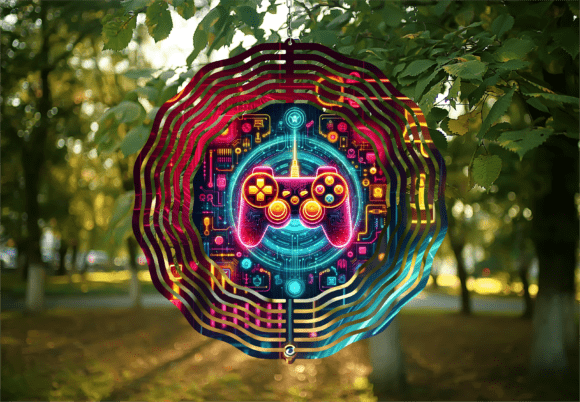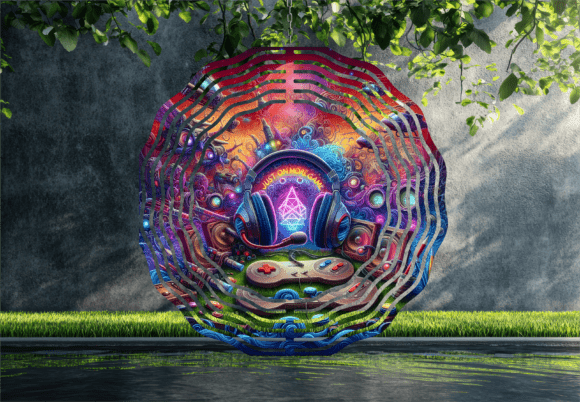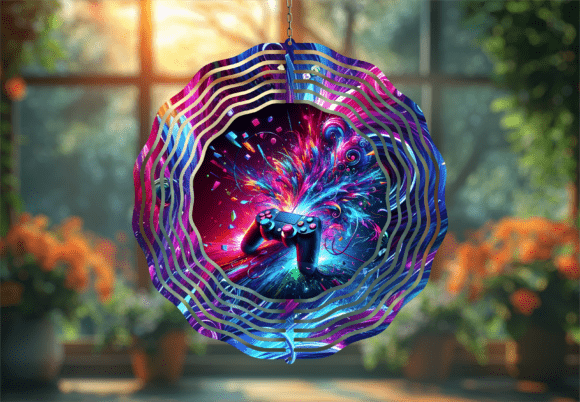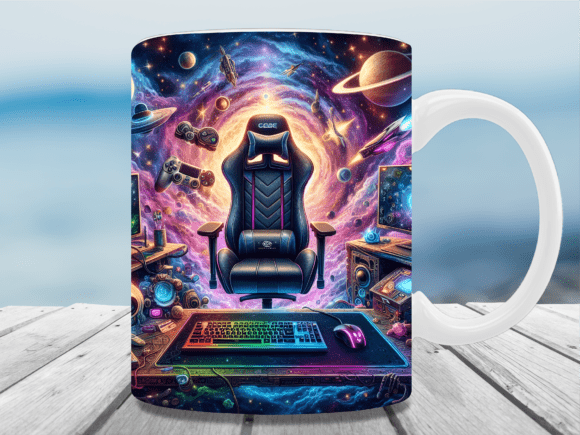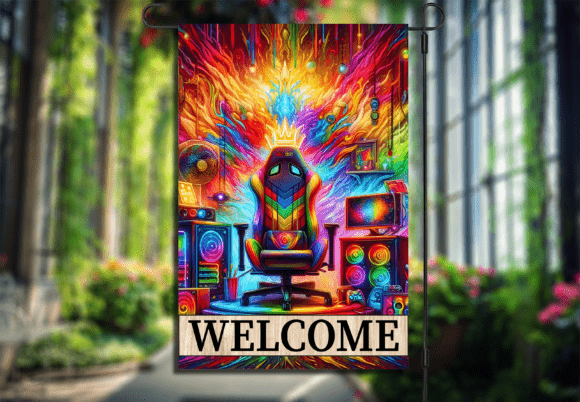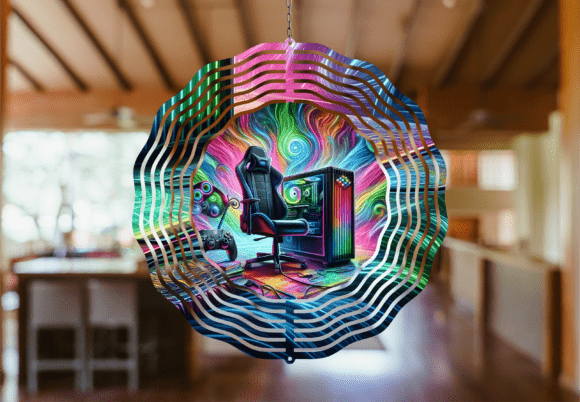
Neon Gaming Setup Wind Spinner Design – A Strategic Tool for Visual Branding and Space Curation
When you encounter a resource like the Neon Gaming Setup Wind Spinner Design, it is easy to see only a decorative element. A vibrant, glowing pattern intended for a spinning outdoor or indoor ornament. But for those who think systematically about how they present themselves, their brand, or their environment, this type of design file represents something far more practical. It is a deliberate asset for visual communication, spatial atmosphere, and even operational differentiation.
The design itself is a 13.89 × 13.81 inch PNG file at 300 DPI, available in both round and square formats. That may sound like a simple product listing. But the value of a design like this goes beyond the immediate aesthetic. It is a tool you can use strategically to reinforce goals, shape customer experience, and create a cohesive visual language across physical and digital spaces.
What Neon Gaming Setup Wind Spinner Design Actually Offers Strategically
At its core, this is a high-resolution digital asset that you can adapt, print, and apply to a wind spinner or other medium. The neon gaming aesthetic is not accidental. It taps into a cultural and visual vocabulary associated with energy, play, modernity, and immersive environments. For anyone running a business, content platform, or creative studio, that visual language can be leveraged to signal a specific vibe or target audience.
The strategic value lies in its versatility. Because the file is a PNG with a transparent background option and high resolution, you are not locked into one use case. You can resize it, incorporate it into larger designs, or use it as a standalone piece. The round and square shape options give you flexibility depending on the physical product or display context you are working with.
For a small business owner or freelancer, this means you are not just buying a decorative item. You are acquiring a component of your visual identity system. You are choosing how a space feels, how a product looks on a shelf, or how a background appears in a video stream. That is a decision that affects perception, and perception affects outcomes.
Brand positioning and environmental storytelling
Every space communicates something. Whether you run a gaming café, a co-working studio, a retail pop-up, or a home office used for content creation, the visual environment tells a story. A neon gaming wind spinner design can anchor that story. It signals that the space is modern, energetic, and designed with intention. It can help position your brand as one that understands gaming culture, digital aesthetics, or immersive experiences.
If you are a creator streaming on Twitch or producing YouTube content, the design can appear in your background as a subtle but consistent branding element. It becomes a visual cue that viewers associate with your channel. Over time, that association builds recognition and trust. That is not decoration. That is brand architecture.
Creativity and productivity through intentional environment design
There is a growing body of practical knowledge around how physical environments affect cognitive performance. For professionals who work from home or manage creative teams, the spaces they occupy matter. A thoughtfully chosen visual element like a neon gaming wind spinner can contribute to an atmosphere that signals “this is a space for focus, play, or innovation.” It is not about the spinner itself. It is about the psychological cue it provides to you and to others.
For a freelancer or educator who wants to create a distinct learning or working environment, using such a design can help demarcate a zone. It separates work from relaxation. It sets a tone. Used intentionally, it can support productivity by reducing the mental friction of being in a generic or uninspiring space.
Customer experience and operational differentiation
If you operate a physical business, customer experience is built on details. A waiting area, a checkout counter, a meeting room—each touchpoint matters. Adding a visually striking element like a neon gaming wind spinner can make a space feel more curated. It tells visitors that you have paid attention. That creates a subtle but real impression of professionalism and care.
For a small business owner or entrepreneur, differentiation does not always come from a radically different product. Sometimes it comes from the environment in which that product is sold or experienced. A wind spinner with a neon gaming design can be part of that differentiation. It is a low-lift, high-visibility move that can set your space apart from competitors who rely on generic decor.
When to Use This Design and How to Approach It
The timing and context for using a design like this matter. You do not add a neon gaming wind spinner to a space randomly and expect strategic results. You use it when you have a clear idea of what message you want to send and to whom.
- For branding consistency: Use the design when you are aligning your physical space with your digital brand. If your website, social media, and product packaging use neon or gaming-inspired visuals, this design can bridge the offline experience with your online identity.
- For seasonal or event-specific setups: If you are hosting a launch, a tournament, a workshop, or a pop-up, the design can serve as a thematic anchor. It signals that something different is happening. It creates a sense of occasion.
- For permanent installation: If you decide the design fits your long-term brand identity, you can integrate it into your space as a permanent fixture. In that case, consider positioning, lighting, and surrounding elements to make sure it does not feel isolated or arbitrary.
When you approach the design, think about scale and context. The file is approximately 13.89 inches, which is a generous size for a wind spinner. But do not assume that bigger is always better. Consider the proportions of your space, the viewing distance, and the other visual elements nearby. A design that is too large for a small area can feel overwhelming. One that is too small for a large wall can feel insignificant. Test the sizing before committing to a final print.
Map the design to your broader visual system
Before you download and print, take a step back. Look at the colors, shapes, and energy of the design. Do they align with the visual vocabulary you have already established? If your brand uses pastels and muted tones, a neon gaming design may clash. That is not necessarily wrong, but it should be a deliberate contrast, not an accidental one. If the design fits, use it as a reinforcing element. If it contrasts, use it sparingly as an accent or a focal point.
Consider the physical and digital crossover
Because the file is a high-resolution PNG, you are not limited to physical wind spinners. You can use the design on screen backgrounds, social media posts, digital signage, or even as part of a video overlay. Think about how the same visual can appear in both physical and digital contexts to create a cohesive experience. That kind of cross-platform consistency is difficult to achieve with generic stock assets. A specialized design like this gives you a unique thread to weave through multiple touchpoints.
Think about maintenance and longevity
Wind spinners are exposed to weather if placed outdoors. Even indoors, they can collect dust or fade over time if placed in direct sunlight. When you use a design with neon elements, consider how the colors will hold up. If you plan to display it for months or years, choose printing materials and protective coatings that preserve the vibrancy. A faded spinner no longer communicates energy. It communicates neglect. That is not the message you want.
Possible Risks of Using the Design Without Clear Goals
Using any visual element without a clear intention carries risks. A neon gaming wind spinner design is striking, but if it does not align with your brand, your audience, or your operational context, it can create confusion or appear out of place.
- Mixed messaging: If your brand is polished and corporate, a neon gaming element may signal a casual or playful attitude that contradicts your positioning. That can dilute trust with clients who expect formality.
- Visual clutter: In a space that is already busy with signage, products, or decor, adding another strong visual can create noise. Instead of improving the atmosphere, it can overwhelm visitors. Strategic use means editing as much as adding.
- Short-term novelty: If you use the design simply because it looks interesting, the novelty may wear off quickly. Without a deeper reason for its presence, it becomes background noise. That is a missed opportunity to build meaning into your space.
The way to avoid these risks is to ask a simple question before you use the design: “What specific outcome am I trying to support with this visual element?” If you cannot answer that, hold off until you can.
How to Use Neon Gaming Setup Wind Spinner Design Intentionally
Intention is the difference between decoration and design. Here is a practical framework for using this asset with purpose.
- Define your objective. Are you trying to attract a younger audience? Signal innovation? Create a memorable photo backdrop? Make the goal explicit.
- Identify the audience. Who will see this design? Customers, employees, clients, viewers? Each group will interpret the design differently. Know your audience before you decide on placement and context.
- Choose the format and location. Will the design go on a wind spinner, a wall decal, a screen background, or a printed sign? The medium changes how the design is perceived. A wind spinner moves and catches light. A static print does not. Choose the format that amplifies the effect you want.
- Integrate with surrounding elements. The design should not exist in isolation. Consider the colors, lighting, furniture, and other visuals around it. Create a composition where the spinner feels like part of a whole, not an afterthought.
- Evaluate after installation. Once the design is in place, observe how people react. Do they notice it? Do they comment on it? Does it change the feel of the space? Use that feedback to inform future decisions. Treat every installation as a test.
Long-Term Value and Realistic Use Cases
The long-term value of a design like this is not in the file itself. It is in what you do with it. A freelancer who uses it to create a distinct streaming background may find that viewers remember their channel more easily. A small business owner who places it in a retail window may see increased foot traffic from passersby who are drawn to the visual energy. A content creator who incorporates it into a video series may build a recognizable aesthetic that sets them apart from competitors.
These outcomes do not happen by accident. They happen because someone made a deliberate choice to use a visual asset in service of a specific goal. They thought about context, audience, and consistency. They treated the design not as a disposable decoration but as a component of a larger system.
That is the difference between buying a wind spinner design and using it strategically. The file itself is a starting point. The value comes from how you integrate it into your work, your brand, and your environment. If you approach it with clarity and purpose, it can support your goals in ways that are both practical and surprising.
Whether you are an entrepreneur refining your retail space, a creator building a visual identity, or a professional curating your home office, the Neon Gaming Setup Wind Spinner Design offers a flexible and visually compelling tool. Use it with intention. Let it serve your plan, not the other way around.