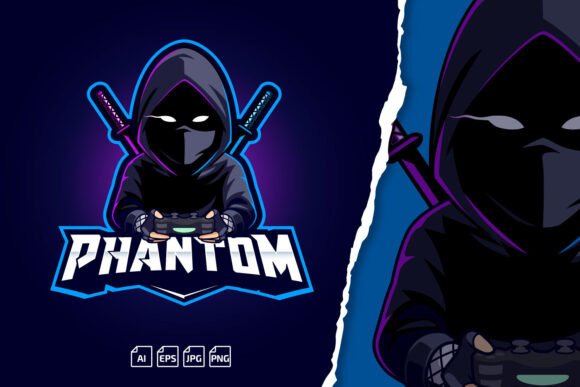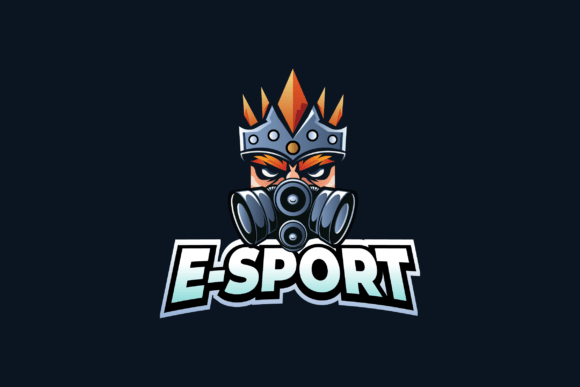
Strategic Design and Technical Flexibility: Unlocking the Full Potential of an Esport Gaming Mascot Logo with EPS 10 and Editable RGB Colors
In the fast-evolving world of competitive gaming, a team identity is often distilled into a single image. The Esport - Gaming Mascot Logo serves as the visual anchor for organizations, streamers, and tournament brands. A well-crafted mascot logo does more than just look aggressive or playful—it communicates values, builds recognition, and unifies a community. However, the raw creative asset is only as powerful as its underlying technical structure. Designers, team owners, and content creators increasingly demand files that offer both aesthetic impact and practical flexibility, which is where the inclusion of an EPS 10 file and editable RGB colors becomes a decisive factor.
Why the EPS 10 File Format Matters for Esport Mascot Logos
Vector-based artwork has long been the industry standard for logo design, and EPS 10 represents a mature, widely compatible version of the Encapsulated PostScript format. For an Esport - Gaming Mascot Logo, EPS 10 provides several distinct advantages that raster-based formats like PNG or JPEG simply cannot match.
- Infinite Scalability Without Degradation: An EPS 10 file stores the logo as mathematical curves rather than pixels. A mascot intended for a 16x16 pixel social media avatar can be scaled up to a 10-foot banner for a live event without any loss of sharpness or detail. This is critical in esports, where the same logo appears across tiny stream overlays, massive stage backdrops, merchandise, and in-game assets.
- Native Layer and Path Structure: EPS 10 files typically retain individual elements such as the mascot's head, body, weapon, or typography as separate objects. This makes it possible for a designer to reposition a character's arm, change a facial expression, or extract the emblem for use without redrawing anything.
- Long-Term Archival Stability: The EPS format has been supported by virtually every vector editing application for decades. Investing in an Esport - Gaming Mascot Logo delivered as an EPS 10 file ensures that the asset remains usable even as software ecosystems change.
- Compatibility Across Tools: Whether a designer works in Adobe Illustrator, CorelDRAW, Affinity Designer, or even open-source alternatives like Inkscape, EPS 10 files open reliably with preservation of color and structure.
Editable RGB Colors: A Practical Necessity for Modern Esports Branding
Color is not an afterthought in competitive gaming—it is a strategic tool. The editable RGB color space in an Esport - Gaming Mascot Logo empowers teams and creators to adapt branding fluidly across digital platforms, which is where the vast majority of esports interaction occurs.
Understanding RGB vs. CMYK in a Gaming Context
While print design relies on CMYK (Cyan, Magenta, Yellow, Black), esports operates primarily on screens. Streaming platforms, social media, in-game overlays, websites, and mobile apps all display in RGB (Red, Green, Blue). An EPS 10 file that stores colors as editable RGB values means the logo is already optimized for the digital environment from the moment it is opened.
Consider the following practical scenarios where editable RGB colors make a tangible difference:
- Team Rebranding or Roster Changes: If an organization shifts its primary color from electric blue to neon green, the designer can globally adjust the color swatch in seconds rather than recreating the artwork.
- Platform-Specific Adaptation: A mascot logo might need a lighter variant for a dark-themed Twitch panel and a high-contrast version for a YouTube thumbnail. With editable RGB colors, these variations are produced by adjusting brightness, saturation, or hue directly on the vector shapes.
- Sponsor Integration: Esports teams often incorporate sponsor colors into temporary logo treatments. Editable RGB values allow quick, non-destructive color shifts that maintain the mascot's structural integrity.
- Accessibility Optimization: Designers can modify the logo to meet WCAG contrast requirements by tweaking RGB values, ensuring the mascot remains distinguishable for viewers with color vision deficiencies.
Anatomy of an Effective Esport Gaming Mascot Logo
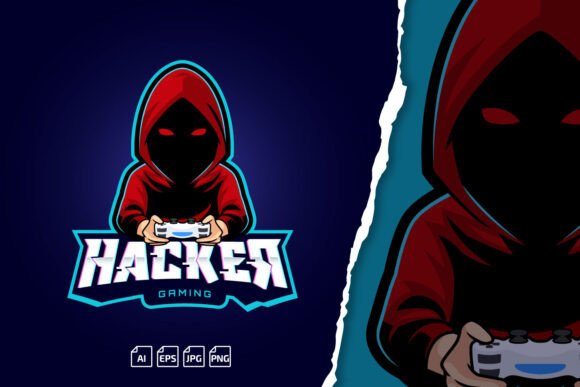
Beyond the technical file format, the visual design of the mascot itself determines how well the logo performs across its intended uses. An Esport - Gaming Mascot Logo typically features a combination of aggressive yet readable silhouettes, expressive faces, and dynamic posture. Common archetypes include cybernetic animals, armored warriors, hybrid creatures, and futuristic personas.
Key Visual Elements
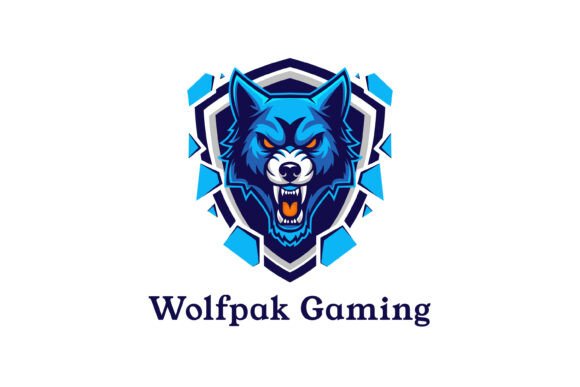
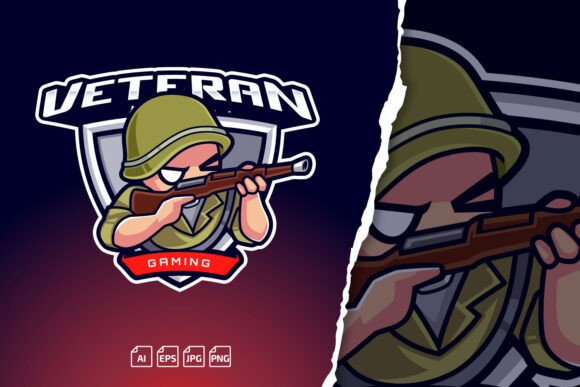
- Silhouette Recognition: A strong mascot logo should be identifiable even when reduced to a solid black shape. The outline of the character, whether a snarling wolf or a helmeted soldier, must read clearly at small sizes.
- Focal Point Hierarchy: The eye is naturally drawn to the mascot's face or emblem. Designers use color contrast, line weight variation, and negative space to guide attention to the most important features.
- Motion and Energy: Esports logos often incorporate implied movement through angled shapes, speed lines, or asymmetrical compositions. This conveys the fast-paced, high-energy nature of competitive gaming.
- Typography Integration: While the mascot can stand alone, many logos pair it with a team name or initials. The EPS 10 file typically includes editable type layers, allowing font adjustments without rework.
Workflow Considerations for Different User Groups
The value of an Esport - Gaming Mascot Logo delivered as an EPS 10 file with editable RGB colors varies depending on the user's role and technical comfort level. Understanding these perspectives helps both designers and buyers make informed decisions.
For Professional Designers and Agencies
EPS 10 files with RGB colors are a foundation for efficient work. Designers can build brand guidelines, create alternate versions, and produce assets for multiple platforms from a single master file. Editable colors mean they can generate light mode and dark mode variants without manual recoloring. The layer structure of EPS 10 also supports animation workflows—character rigging for intro sequences or stream transitions becomes far simpler when each element is individually accessible.
For Esports Team Owners and Managers
Non-designers often underestimate the importance of file format until a situation demands flexibility. Having an EPS 10 file means the team is not locked into a single vendor for future modifications. A new merchandise partner can open the file directly, a web developer can extract SVG versions for responsive design, and a video editor can pull the mascot into motion graphics with transparent backgrounds. Editable RGB colors also allow the team to experiment with seasonal or event-specific palettes without commissioning entirely new artwork.
For Content Creators and Streamers
Individual streamers and small content creators increasingly commission custom mascot logos to differentiate their channels. The ability to edit RGB colors is particularly valuable here because a streamer's aesthetic often evolves over time. They may want to match the logo to a new overlay design, a specific game's color scheme, or even a holiday theme. An EPS 10 file also enables them to create merchandise like mouse pads, hoodies, and stickers with consistent quality.
For Educators and Researchers
Academics studying visual identity in digital communities benefit from access to editable vector files. They can analyze color distribution, shape complexity, and typographic relationships with precision. The EPS 10 format allows them to deconstruct the logo into its constituent parts for case studies or comparative analysis without losing fidelity.
Practical Considerations When Working with EPS 10 and RGB Logos
While the technical advantages are substantial, users should be aware of a few practical points to maximize the value of their Esport - Gaming Mascot Logo.
- Color Space Management: RGB is inherently device-dependent. A logo viewed on a high-end gaming monitor may appear differently on a mobile OLED screen or a broadcast display. Designers should test their RGB values across multiple screens and consider providing a sRGB profile for consistency.
- Font Substitution Risks: If the EPS 10 file includes custom fonts that are not embedded, opening the file on a system missing those fonts will cause text to render incorrectly. Always confirm whether typefaces are converted to outlines or if the font files are included separately.
- Version Compatibility: Although EPS 10 is widely supported, some newer features from modern vector editors may not translate perfectly. Stick to standard paths, fills, and strokes to avoid unexpected behavior when the file is opened in different software.
- Backup of Original: Always keep an unmodified copy of the original EPS 10 file. Editable colors are powerful, but irreversible changes can occur if the file is saved repeatedly in a different format or with destructive edits.
Real-World Application Examples
To illustrate how these technical and design factors converge, consider a few hypothetical but realistic scenarios.
Scenario: Tournament Organizer with Multiple Game Titles
A tournament organizer runs events for fighting games, first-person shooters, and racing simulators. They commission a single Esport - Gaming Mascot Logo featuring a cybernetic gladiator. The EPS 10 file allows them to create title-specific color variants: aggressive red-orange for the fighting series, tactical green-gray for the shooter, and vibrant blue for the racing event. Editable RGB colors turn one logo into three distinct brand expressions without diluting the parent identity.
Scenario: Collegiate Esports Program
A university esports program needs a mascot logo that works across the school's digital platforms, merchandise, and physical signage. The EPS 10 file is provided to the university's marketing department, which extracts the mascot head for social media avatars, the full-body version for jerseys, and a monochrome version for official documents. Editable RGB colors are adjusted to match the university's exact brand palette, ensuring consistency with the institution's broader visual identity.
Scenario: Indie Game Studio with a Single Hit Title
A small game studio develops a breakout competitive title and wants a mascot that represents both the studio and the game's community. The EPS 10 file becomes the source for all promotional materials. When the game receives a major update with a new color theme, the designer adjusts the RGB values of the logo to align with the updated UI. The community receives updated assets within hours rather than days.
Evaluating Quality in an Esport Mascot Logo Asset
When selecting or commissioning an Esport - Gaming Mascot Logo, buyers should evaluate the deliverable beyond surface aesthetics. A high-quality EPS 10 file will exhibit clean geometry, logical layer naming, and absence of unnecessary anchor points. The RGB color values should be consistent and free of accidental tints or grays. A well-prepared file saves time and eliminates frustration during subsequent editing.
Designers should be transparent about what the EPS 10 file contains. A robust deliverable typically includes the mascot as a grouped object, individual body parts or elements on separate layers, the logo mark with and without text, and a swatch panel with all used colors clearly named. This level of organization reflects professional standards and ensures the asset remains practical for years of use.
The combination of a compelling Esport - Gaming Mascot Logo, the technical reliability of an EPS 10 file, and the adaptability of editable RGB colors creates a versatile toolkit. Whether the goal is to unify a global fanbase, produce consistent merchandise, or enable rapid iteration across digital platforms, these elements work together to support long-term brand growth. Investing in a properly structured vector file is not a minor technical detail—it is a strategic decision that affects every future use of the logo.