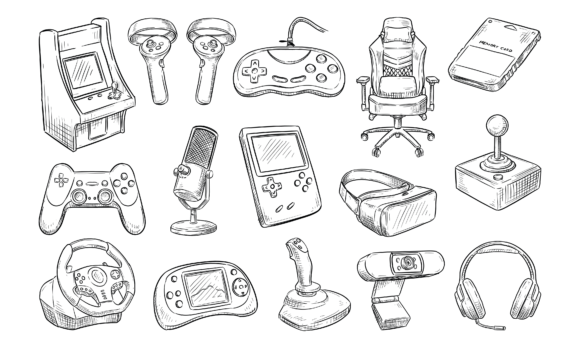
Gaming Handdrawn Collection: Bringing Authentic Art Direction into Digital Workflows
When you are building a brand, designing a learning experience, or producing content that needs to hold attention, the visual style you choose does more than decorate the page. It sets the tone, communicates values, and influences how people remember what you present. The Gaming Handdrawn Collection is a specific category of visual assets that merges the spontaneity of handcrafted illustration with the structural demands of modern digital projects. Unlike fully polished vector graphics or hyper-realistic renders, handdrawn gaming art brings a tactile, human quality into environments that often feel too clean or impersonal.
This collection is not just a set of images. It is a design resource that can be woven into multiple stages of a project, from early conceptual planning to final delivery. Understanding where and how to use it effectively means treating it as part of a larger process, not as a standalone decoration.
Where Handdrawn Gaming Art Fits in the Creative Process
Every project moves through phases. Whether you are launching a product, building a course, or creating marketing materials, the visual assets you choose should align with the work happening in each phase. The Gaming Handdrawn Collection is versatile enough to serve multiple roles across a timeline.
Before the Project: Inspiration and Direction Setting
In the early stages of a project, you are often making decisions about tone, audience, and visual language. Handdrawn art can serve as a reference point for mood boards and style exploration. Because the line work and coloring in a handdrawn collection feel more organic, they can help a team move away from generic stock aesthetics and toward something more distinctive. If you are planning a brand identity or a content series, reviewing handdrawn gaming assets early can clarify whether a raw, playful, or nostalgic direction fits your audience.
During the Project: Integration into Production Workflows
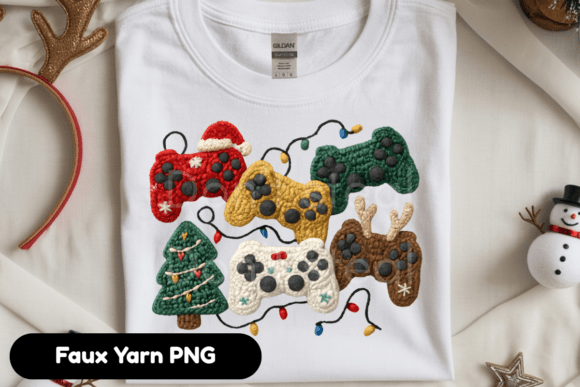
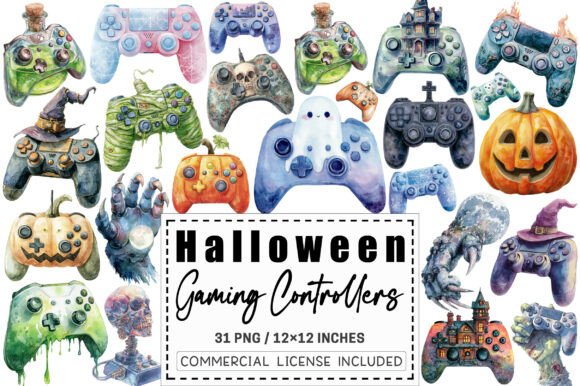
Once you move into production, the real value of the Gaming Handdrawn Collection becomes practical. These assets can be used as background elements in video thumbnails, character illustrations in e-learning modules, or decorative icons in blog posts. Because the style is consistent across the collection, you can pull multiple elements without worrying about visual mismatch. This saves time during layout and prevents the need to commission custom illustrations for every small element.
For example, a marketing team preparing a landing page for a game-related product can use handdrawn weapons, characters, or environmental elements directly from the collection. A freelancer building a pitch deck for a client in the entertainment space can drop a handdrawn asset into a mockup to communicate visual direction without spending hours on original drawing.
After the Project: Quality Control and Iteration
After a project is live, the collection can still play a role in revisions or expansions. If you need to create supplementary content, social media posts, or follow-up materials, having a consistent handdrawn asset library means you can produce aligned visuals quickly. There is no need to revisit the creative direction or hunt for new illustrators. The collection becomes a reference standard for maintaining visual quality across updates.
Integrating Handdrawn Assets with Existing Tools and Platforms
One of the common concerns when adopting a new visual resource is compatibility. Will these assets work with my current software? Do they need special handling? The Gaming Handdrawn Collection is designed to fit into standard design environments without friction.
Most handdrawn gaming assets come in common formats like PNG with transparent backgrounds, SVG for scalable vector needs, or high-resolution JPEG for print use. This means they can be imported directly into tools such as Photoshop, Illustrator, Canva, Figma, or Affinity Designer without conversion steps. For video editors, the assets can be used as overlay elements in Premiere Pro, DaVinci Resolve, or After Effects, especially when you need to add a handcrafted feel to motion graphics.
If you are working with a team that uses a shared asset library, you can organize the collection into folders by theme, usage type, or character category. This reduces search time and helps everyone stay aligned on which assets are approved for use. For solo creators, a simple naming convention based on the element type and context can make retrieval just as efficient.
Practical Implementation Tips for Designers, Marketers, and Educators
Knowing that a collection exists is one thing. Knowing how to deploy it in real work is where the value appears. Here are several approaches that match different roles and project types.
For Content Creators and Bloggers
If you run a YouTube channel, a gaming blog, or a niche newsletter, handdrawn assets can become your visual signature. Use a consistent character from the Gaming Handdrawn Collection across your thumbnails, channel banner, and social media avatars. This creates brand recall without requiring professional illustration skills. Because the style is handdrawn, it also differentiates you from the polished, generic look many competitors use.
Consider creating a simple template in Canva or Figma that includes a handdrawn border, a character element, and space for your headline. You can reuse this template for every post, adjusting only the text and a few decorative pieces. This approach saves time and keeps your visual identity intact.
For Educators and Course Creators
In e-learning, visual consistency matters for learner attention. Handdrawn gaming art can be used to illustrate concepts in a friendly, approachable way. For example, if you are teaching game design, history of animation, or even creative writing, adding handdrawn characters from the collection into your slides or worksheets makes the material feel more engaging. The informal look of handdrawn art can reduce the intimidation factor of complex topics.
You can also use these assets in downloadable resources such as cheat sheets, checklists, or activity cards. Because the collection is diverse, you can match specific assets to specific lessons without needing to create new art each time.
For Small Business Owners and Entrepreneurs
If your business operates in the entertainment, education, or creative services space, handdrawn gaming art can be used in promotional materials, packaging, or in-store signage. The key is to use the assets intentionally. A single well-placed handdrawn character on a flyer or a website hero section can convey personality without overwhelming the message. Avoid cluttering the layout with too many elements. Instead, choose one or two assets that anchor the design and let the rest of the layout breathe.
Organizing and Managing a Handdrawn Asset Library for Efficiency
Efficiency in using any collection comes down to how well you organize it before you start designing. If you simply download the Gaming Handdrawn Collection and leave it as one large folder, you will lose time searching. Take ten minutes to structure it in a way that matches your workflow.
- Group by category: Characters, objects, backgrounds, decorative elements, and icons. This mirrors how you will search for them during design.
- Use descriptive filenames: Instead of "asset_032.png," rename files to "sword_handdrawn.png" or "wizard_character_fullbody.png." This makes searching within file explorers much faster.
- Create a usage guide: A simple document or a pinned note in your design tool that explains which assets are best for which contexts. This is especially helpful if you work with a team or return to the collection after a gap.
- Tag in digital asset management tools: If you use software like Eagle, Brandfolder, or even a well-structured Google Drive, add tags for theme, color palette, and intended medium.
Good organization also supports quality control. When you know exactly where each asset lives and what it is designed for, you reduce the risk of misusing an element that does not fit the context. This matters when you need to maintain a consistent look across multiple deliverables.
Long-Term Value and Consistency in Visual Storytelling
The real power of the Gaming Handdrawn Collection reveals itself over time. When you use the same visual language across different projects, your audience begins to associate that style with your work. That recognition is hard to achieve when you switch between random stock photos or mismatched illustrations every month. A handdrawn collection gives you a foundation you can return to again and again, building a cohesive body of work.
For professionals who produce content regularly, this consistency is a force multiplier. A blogger who uses the same handdrawn character in every post will see that character become a mascot. A course creator who consistently uses handdrawn icons and diagrams will have students who recognize the material immediately. A small business that uses handdrawn elements in its branding will stand out in a crowded market where most visuals are polished but interchangeable.
Additionally, because handdrawn art ages differently than hyper-trendy design styles, it remains usable for longer. You are less likely to need a complete visual overhaul every year. This makes the collection a practical investment for anyone who wants to build a long-term visual identity without constant redesign costs.
Practical Observations for Smooth Integration
If you are new to using handdrawn assets in professional workflows, a few observations can help you avoid common missteps.
- Match the weight of the line to your medium. Some handdrawn assets have thick outer lines, which work well on screens but may look heavy in print. Test a sample before committing to a large run.
- Pair handdrawn art with simple typography. Complex fonts can clash with the organic feel of handdrawn illustrations. Sans-serif or simple serif fonts usually create a cleaner balance.
- Use color intentionally. If the collection is monochrome or limited in palette, consider whether you need to add your own color overlay. Many design tools allow you to adjust hue or apply gradient maps, which lets you match the assets to your brand colors.
- Do not overmix styles. If you use handdrawn art, try to keep the rest of your design elements in a similar visual register. Combining highly realistic photos with cartoonish handdrawn characters can confuse the visual narrative unless done deliberately.
In practice, the Gaming Handdrawn Collection works best when you treat it as a genuine component of your design system rather than a one-off decoration. Integrating it into your templates, style guides, and recurring layouts will yield the most benefit over time. Whether you are preparing a pitch, building a course, producing social media content, or designing a small publication, the collection offers a route to visual authenticity that is both practical and repeatable.
By understanding where these assets fit in your workflow, how to organize them for easy access, and how to maintain consistency across projects, you turn a simple set of illustrations into a reliable tool for professional communication. That is the difference between using a resource and truly integrating it into the way you work.